Why heifer inventories matter
The “expected to calve” number of heifers for 2026 is 2.5 million, the lowest in 48 years. It is worth noting that low heifer inventories are not consistent across all regions, and some variation by herd size and geography likely exists.
Assuming the USDA numbers are accurate, this means that herd replacement rates will drop below 30% and culling rates will therefore also need to be less than 30%, if overall dairy herd size is to be maintained. In some cases, dairies may struggle
to find replacements at all. This creates a new reality: more cows will need to remain in the herd longer.
This means that dairies will need to retain a certain percentage of seventh or eighth lactation animals. This is a remarkable challenge. Cursory evaluation of dairy records quickly reveals that most dairies do not have many cows in these parities.
There are well-recognized reasons why dairy cows are culled and do not reach later parities. These are: transition disease, mastitis, lameness, reproduction and production. Older cows are particularly vulnerable to these challenges. In other words, keeping cows longer is not simply a decision. It requires systems that can support older animals. Therefore, dairies will need to focus on:
No. 1: Creating the right number of mature, healthy replacement heifers for their dairy (with a 5% buffer). This is a longer-term objective since there is a three year delay, even if
a heifer is created today.
No. 2: Removing or mitigating the bottlenecks that lead to cows leaving the dairy.
Furthermore, heifer raising becomes even more important since there are fewer replacements. These animals will need to be as healthy and productive as possible.
Creating healthy, older cows means that the narrative needs to change from “lifespan” to “healthspan.” Healthspan focuses on how long cows remain healthy and productive, not just how long they remain in the herd.
The large current national dairy herd size must be driven by an increase in older cows in the herd, since replacements have been lower for at least three years. However, an important consideration is that field reports suggest a large number of cows (that would have previously been culled) are being retained because they are carrying a beef-on-dairy calf. Just how many will leave the herds after calving remains to be seen.
Therefore, it is reasonable to expect some level of dairy herd contraction, with predictable ramifications on milk price and heifer replacement costs. Will there be enough heifers resulting from sexed semen usage? With a three-year "lag time"
until that animal reaches the milking herd, will it be too little too late?
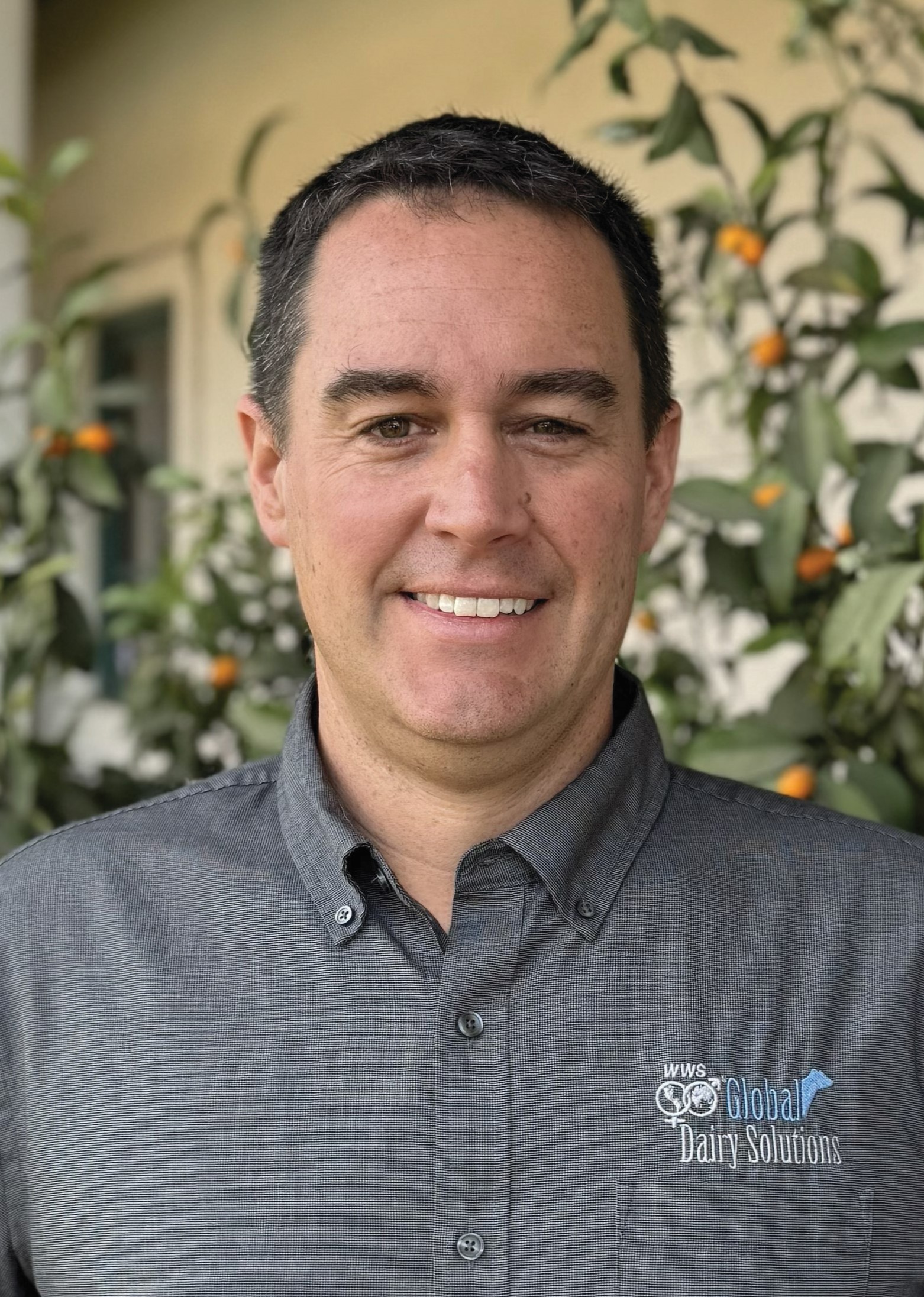
Scott Earnest, DVM, Lead Technical Service Veterinarian, World Wide Sires, Ltd.
Tools for managing heifer inventories
The market price of dairy replacements and beef-on-dairy calves has never been higher, with the calf check carrying many dairies through difficult milk prices. Putting the right number of heifers on the ground and protecting that investment from conception
to the milking string is essential, now more than ever.
Optimal replacement rate is a complex topic. “Optimal” differs from farm to farm and year to year. Many producers have made immense progress with dairy cow longevity, by way of improved fertility, housing, genetics, and management. Dairies that used to struggle to keep up with the rate of cows “needing to exit” now find themselves with the opportunity to choose which cows should have a next lactation. That hard-earned flexibility is a great opportunity, but one that must be evaluated carefully. Just because a cow can stay another lactation doesn’t mean she should, if her production level and maintenance costs fall below that of an available replacement who could occupy her stall.
Optimizing production per stall and studying the net cost of swapping a cull cow for a replacement are key to determining the optimal longevity of each individual animal. Producers should take great pride in the cows that perform above herd average well into maturity, but must be clear-eyed about those performing below the average as time takes its toll and their efficiency slips.
The high value of beef-on-dairy calves in North America has trimmed the supply of heifers on many dairies. Failure to plan for an optimal number of replacements leads to inferior animals remaining in the milking herd. This can be a drag on herd average production, health and reproduction, and leads to increased death loss and lower salvage values from cull animals.
It is important to understand the number of springers needed to avoid these hazards. Beyond that, the number of female calves needed at birth to yield the targeted number of healthy fresh two-year-olds must be determined. Ultimately, it is best to work back to the number of breedings needed to put these live calves on the ground. Build today’s plan around the current performance of your dairy and replacement programs, while studying those programs for opportunities to improve their efficiency in the future.
Planning your dairy replacement needs starts with a thorough review of historical data, nuanced by any expected future changes in replacement needs. Adjustments could be driven by a planned change in herd size, a desire to move towards a higher or lower replacement rate, or adjusted expectations for heifer non-completion rates based on calf health or heifer reproductive performance.
Your Select Sires representative can help you define goals and review historical data on replacement needs, inventories, and heifer completion rates using the Genetic Strategy Calculator or Optimal Genetic Pathways replacement inventory calculator tools. Female genetics available to utilize for your replacements are then characterized using genomic data or with Select Sires’ Pedigree Index Calculator, and optimized matings provided using Select Mating Service® (SMS®) mating tools. These tools allow producers to accelerate genetic progress of their herd using the right number of replacement heifers while maximizing revenue from beef-on-dairy calves.