The affect of neglect incurs immediate health costs, complications, operational losses and mortality. Dehydrated calves are at higher risk of developing illnesses such as diarrhea, pneumonia or heat stress. Veterinary treatments and medications are costly. Sick or deceased calves result in financial loss; the investment in breeding, feeding and raising these calves can range from $400–$1,000 per calf. Morbidity drains energy and reduces performance. For example, for every day a 300 pound steer is sick, the immune system uses 2.2 pounds of glucose (4,000 Kcal) which is enough energy to synthesize 0.9 pounds of protein or three pounds of lean tissue.3
Three step guide for calf transport done right
Step 1: Pre-transport preparation and loading care
- Health assessment - conduct a thorough health check to ensure calves are fit for travel
- Hydration - administer electrolytes to calves before transport to reduce dehydration opportunity
- Gut health - administer direct-fed microbials (DFMs) to prevent gut upsets and ensure continued feed intake
- Loading - calves should be handled with care to reduce unnecessary animal stress
Step 2: Vehicle and on-the-road transport care
- Space allocation - provide adequate space for the calves to lie down comfortably and avoid overcrowding; 100-150 pound calves should be stocked at a density of 2.2-2.6 animals per linear foot (assumption is a 7.7-foot wide trailer)
- Comfortable bedding - use soft and absorbent bedding materials in the transport vehicle to prevent injuries
- Climate control - ensure the vehicle is equipped with proper ventilation and temperature control to avoid heat stress or chilling. Adjust it based on weather conditions. The thermoneutral zone for young calves is between 59° and 79°F.
- Hydration stops - plan stops for water and feeding about every four hours
- Monitoring - assign trained staff to monitor calves during transit and check for signs of distress (e.g., excessive panting, lethargy)
Step 3: Post-transport care
- Health check - immediately assess the calves upon arrival for any signs of stress or dehydration
- Rehydration protocol - administer additional electrolytes and provide fresh water
- Recovery environment - ensure the calves have a quiet, stress-free environment to recover from the journey
Investment in proper care when transporting calves
Preventive measures such as spending time on regular health checks and proactive treatments can be an additional expense. Ensuring calves arrive healthy and productive can represent a huge return on investment (ROI) compared to antibiotic treatments and performance losses.
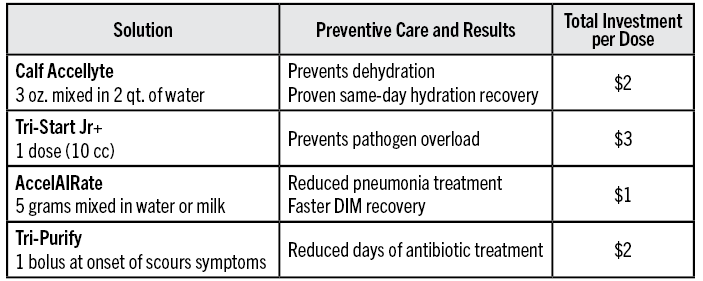
Neglecting proper care of calves during transport poses both ethical concerns and financial risks. While risk management and proactive planning may involve some upfront costs, these are minimal compared to the long-term consequences of neglect.
References
1 Cramer et al. (2024 JDS 101: 2454-2464), 2 USDA, 2021, 3 Sara Kvidera, 2023